Making friends in a new country isn’t always easy. I know, I’ve experienced it myself. When I moved to the Netherlands in 2013, there was a lot to figure out (not just administratively but also culturally!). I had to adjust to a different culture, build a new routine and learn how everyday life worked. But beyond all the practical arrangements, there was something else I needed to do in order to feel at home: build a social life.
When you move abroad, you leave behind the familiar connections you’ve built over the years. Friends you’ve known since school or university, people you’ve worked with and those you could spontaneously meet for a coffee are suddenly no longer nearby. Making friends in the Netherlands as an expat means starting again, often without knowing anyone.
More than 13 years later, I’ve made quite a few friends along the way. Some friendships have lasted, while others have faded or changed as our lives have moved in different directions. I’ve also noticed how much your social life changes depending on the stage of life you’re in. When I was single, I had different opportunities and priorities. Later, when I entered a relationship, things changed. And now, as a wife and mother, my social life has naturally evolved again.
One thing I’ve learned is that making friends isn’t something you do once when you arrive in a new country. It’s something that continues throughout your life. And making friends when you’re older can be a challenge but it can definitely be done!
If you’ve recently moved to the Netherlands, or you’ve been here for a while and would like to meet more people, here are my top five practical ways to build friendships and develop a sense of community.
1. Join a sports club or fitness group
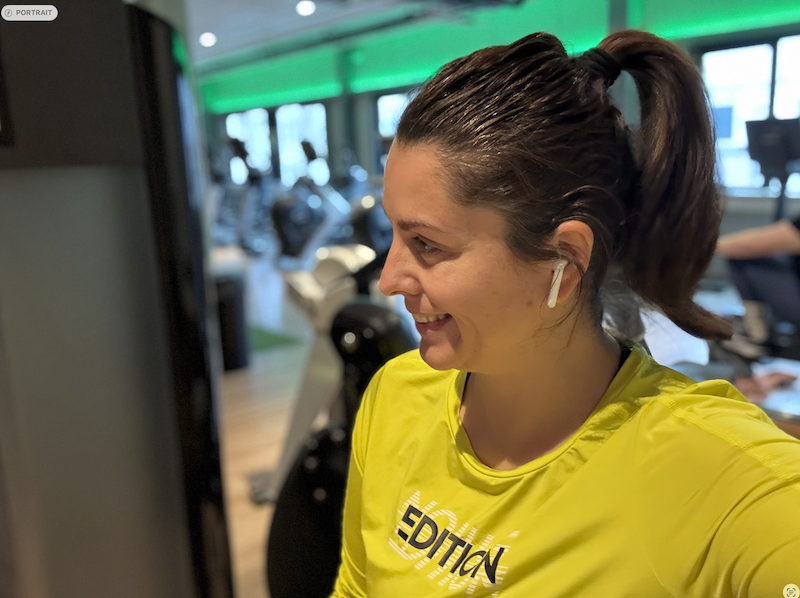 Sport is one of the easiest ways to meet people because you’re doing something together rather than simply turning up somewhere hoping to make friends. It also gives you a reason to see the same people regularly, which can help friendships develop more naturally.
In my experience, the Netherlands has a strong sports culture, with plenty of local clubs and associations, known as sportverenigingen. Depending on what interests you, you could join a running club, play tennis or padel, participate in a football team or attend group fitness classes. Even activities such as yoga or organised walking groups can provide opportunities to meet people.
You don’t have to be particularly sporty to benefit from this. The important thing is choosing an activity you enjoy and attending consistently. Over time, you might find yourself chatting with people before or after a class, arranging a coffee or meeting outside the activity itself.
It’s also a good way to connect with Dutch people, particularly if you’ve found yourself spending most of your time within international circles.
2. Attend Meetup and InterNations events
Two platforms I’ve personally had a lot of success with over the years are Meetup and InterNations. I’ve attended some really good events through both, and I think they’re worth exploring if you’re looking to meet new people in the Netherlands.
Meetup allows you to find groups and events based on shared interests. Depending on where you live, you might discover walking groups, social gatherings, language exchanges, professional networking events, book clubs or activities specifically aimed at newcomers. The variety is one of its biggest advantages because you can choose events that genuinely appeal to you.
InterNations focuses on international communities and offers events where people from different countries can connect. This can be particularly helpful when you’ve recently arrived and don’t yet have an established social network. I’ve found InterNations to focus more on older expats or people well-established in their careers looking to meet new people.
What I like about these events is that many people attend for the same reason: they want to meet others. That makes approaching someone and starting a conversation a little less intimidating. You can also go alone, which is useful when you don’t yet have anyone to accompany you.
Of course, not every event will lead to a lasting friendship, and some will be more enjoyable than others. My advice is to try a few different activities and see which groups feel comfortable. You might need to attend more than once before you start recognising familiar faces.
3. Find Facebook groups and communities from your home country
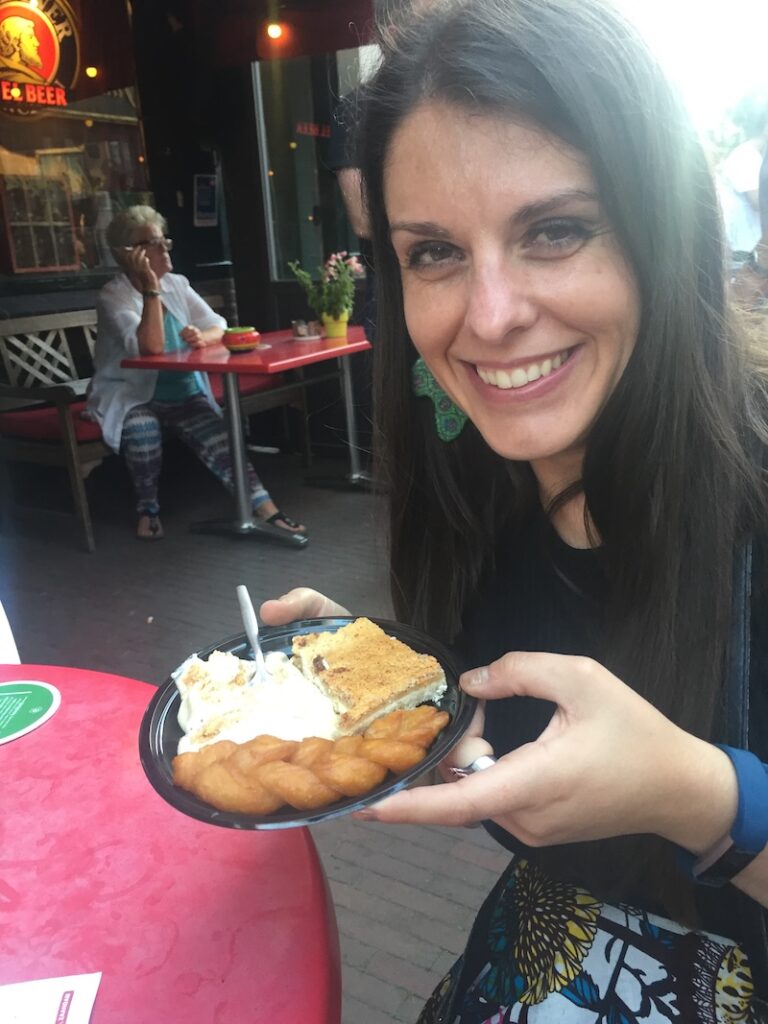
Something that really helped me when I first arrived in the Netherlands was connecting with other South Africans. This was the easiest entry point to feel at home and is the most natural way to do so when you arrive.
Back in 2013, I found a Facebook group called South Africans in The Hague. At the time, there were quite a few events organised for South Africans living in the area, and I really enjoyed being part of that community. There was something reassuring about spending time with people who understood where I came from. We shared a cultural background, could relate to familiar experiences and had a connection to the same country, even though we were now living somewhere completely different. Those gatherings helped foster a sense of community, which was particularly valuable when I was still settling into life in the Netherlands.
If you’ve recently moved to the Netherlands, I’d recommend looking for Facebook groups connected to your nationality, language or cultural background. Try searching for your home country together with the name of your Dutch city. You might discover communities that organise social gatherings, dinners, cultural celebrations or informal meetups.
Facebook can also be useful for finding groups based on interests or life stages. Some communities bring together international women, mothers, parents, students or people who enjoy particular activities. The key is to find groups where members actively organise events and meet in person, rather than those that exist only for sharing information.
Of course, there’s also a lot to gain from making friends with people from different countries and cultures. I wouldn’t suggest limiting yourself to people from your home country. But when you’re adjusting to life abroad, having a community that understands your background can make the transition feel less overwhelming.
4. Take up a hobby or join a creative workshop
Another way to make friends in the Netherlands is through hobbies and creative activities. Perhaps you’ve always wanted to learn how to paint, try pottery, improve your photography or join a cooking class. Moving to a new country can be an opportunity to explore interests you haven’t had time for before.
I particularly like the idea of creative workshops because they provide a relaxed environment for meeting people. You’re working on something together, which gives you an immediate topic of conversation and takes some of the pressure off having to make small talk.
There are plenty of possibilities beyond creative activities, too. You could join a book club, take a language course, participate in a gardening group or volunteer for a local organisation. Community centres, libraries and cultural organisations often have activities worth exploring. Searching for terms such as schildercursus (painting course), workshop or buurthuis (neighbourhood community centre) alongside your city can be a useful starting point.
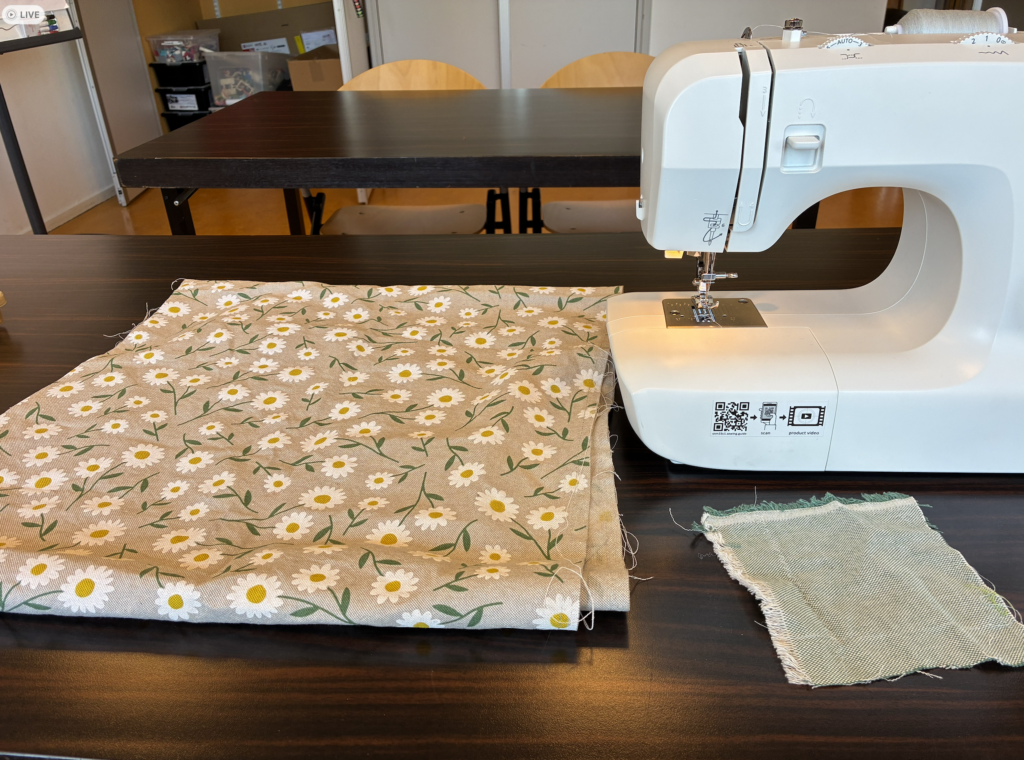
The good thing is that you’re doing something you enjoy, regardless of whether you make a new friend immediately. And when you regularly participate in an activity, you give relationships time to develop rather than expecting a meaningful connection after a single meeting. For example, I wanted to learn sewing so for a few months I took some sewing lessons and I met some really lovely people — both Dutch and international!
You can also try and find reasonably-priced in-person courses through a volksuniversiteit — I’ve done some before and they are quite valuable and a great way to meet new people and feel more integrated!
5. Take the initiative and give friendships time to develop
One thing I’ve learned over the years is that making friends as an adult often takes more effort than we expect. When you’re at school or university, you’re constantly surrounded by people your own age, and friendships can develop naturally through everyday contact. Later in life, those opportunities aren’t always as readily available.
This is especially true when you’re living abroad. You might meet someone at an event, have a lovely conversation and agree that you should get together sometime. But unless one of you actually follows up, that meeting might never happen. So if you meet someone you connect with, don’t be afraid to suggest doing something together. It could be as simple as meeting for coffee, going for a walk or attending another event. You don’t need to make elaborate plans, but sometimes you do need to be the person who takes the first step.
I’ve also found that socialising in the Netherlands often involves planning ahead. People tend to have busy schedules, and arranging something spontaneously isn’t always straightforward (especially when compared to my home country of South Africa where people like spontaneity much more!). Getting used to making plans in advance can help, particularly when you’re trying to develop new friendships.
At the same time, remember that friendships should eventually involve effort from both sides. You shouldn’t have to chase someone indefinitely. Focus on people who seem interested in getting to know you and who make an effort to maintain the connection.
Why friendships change when you live abroad
There’s another aspect of making friends in the Netherlands that I think deserves more attention: friendships can change quite considerably over the years, particularly when you’re part of an international community. I’ve experienced this myself. Over the past 13 years, I’ve moved through different friendship circles. Some people have left the Netherlands, others have moved on to different stages of life, and sometimes we’ve simply grown apart.
When you’re single, your social life might revolve around going out, attending events or making spontaneous plans. As you enter a relationship, get married or start a family, your priorities and available time may change. The activities you enjoy and the kinds of connections you’re looking for can change as well.
It can be difficult when a friendship that was once important becomes less close, but I don’t think that necessarily means anything went wrong. Sometimes people are part of a particular chapter of your life, and those friendships can still have been meaningful even if they don’t last forever.
Living abroad has taught me that having a large social circle isn’t necessarily the most important thing. A few really genuine friendships with people you feel comfortable around can be far more valuable than having a busy calendar full of social events.
Is it difficult to make Dutch friends?
This is another question that often comes up when internationals talk about making friends in the Netherlands. Many Dutch people already have established friendship circles from school, university or their hometowns, which can make it harder to become part of those groups. But that doesn’t mean Dutch people aren’t open to new friendships, and experiences will naturally differ from person to person.
If you’re hoping to connect with more Dutch people, joining local clubs, volunteering, getting involved in neighbourhood activities and learning some Dutch can all help create opportunities. You don’t need to speak perfect Dutch to build friendships, but understanding the language can make it easier to participate in conversations and feel included in different social settings.
I’d encourage you to stay open to friendships with both Dutch people and fellow internationals. There’s no reason your social circle has to consist entirely of one or the other.
My advice for making friends in the Netherlands
If you’re struggling to make friends after moving to the Netherlands, remember that it takes time to build a social network in a new country. The friendships you had back home probably developed over many years, so it’s unrealistic to expect to recreate that sense of familiarity immediately.
Start with something manageable. Join a sports club, sign up for a Meetup event, look for a Facebook community connected to your home country or take a painting class. Choose something that interests you, and give yourself the opportunity to meet people in the Netherlands without putting too much pressure on the outcome.
Most importantly, be willing to take the initiative and keep an open mind about the people you meet. Some friendships will last, others may only be part of a particular stage of life, and that’s perfectly normal.
Settling into life in the Netherlands?
Building a social life is just one part of making a new country feel like home. There’s also plenty to learn about Dutch culture, everyday systems and practical life.
SecondSoil is an audio-led guide to life in the Netherlands, created by a South African who has lived here since 2013. It brings together human-recorded audio guides, practical articles and useful links to help internationals navigate life in their new country. Whether you’re preparing to move or have already settled here, explore the free guides and discover more in the SecondSoil app.
Looking for more practical advice about living in the Netherlands? Discover SecondSoil, the audio-led app offering human-recorded guides to Dutch culture, housing, healthcare, integration and everyday life. Explore the free content and download the app to get started.