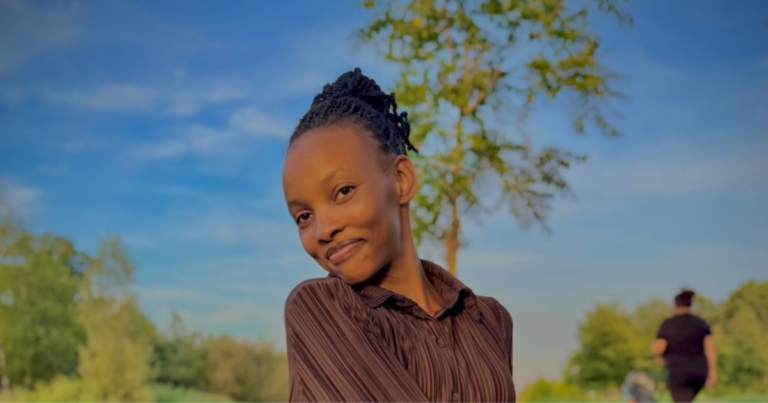
In this article, Happiness Catena Thomas shares her experiences of living in the Netherlands as a Kenyan.
Moving from Kenya to the Netherlands has been an interesting journey, filled with new experiences and moments that have made me look at everyday life differently. Some things surprised me, while others made me laugh. It took some time for me to get used to these differences. Here are five experiences of culture shock in the Netherlands that I encountered as a Kenyan.
Cycling in the Netherlands, regardless of age or weather
Coming from Kenya, most of us learn to ride bicycles as children. We play with them, enjoy the experience and, in many cases, stop cycling as we grow older. Unless cycling is a hobby or a preferred form of exercise, it is not necessarily something most adults rely on for everyday transportation. Seeing people cycling everywhere was surprising.
In the Netherlands, cycling isn’t just a hobby or a form of exercise; it’s part of everyday life. People cycle to work, school, supermarkets, church, appointments and even social gatherings. Women cycle so comfortably in heels and dinner dresses, too. What surprised me more was that age doesn’t even matter. You will see young children, working adults and elderly people riding bicycles as though it is the most natural thing in the world. I would find myself staring at an elderly woman, wondering how she was doing that so effortlessly. Parents cycle with their young children seated in special bicycle seats, while others use larger cargo bikes that can carry more than two kids. And the weather doesn’t seem to stop anyone either. Whether it’s raining, cold or windy, people will still get on their bikes and go about their daily lives. When I started cycling, I struggled on windy and rainy days. Sometimes, the wind would feel like it was going to carry me away along with my bicycle.
Coming from Kenya, where I was used to relying on other means of transport, it took some time to get used to cycling being treated as such an ordinary part of life and to cycling myself. A bicycle is not just a childhood memory; it’s a way of life.
Dutch directness: Getting used to honest opinions
Another thing that took some time to get used to is how direct Dutch people are. Growing up in Kenya, I was used to people softening their words, especially when giving an opinion or disagreeing with someone. Sometimes, you would choose not to give your opinion because you did not want to sound rude.
In the Netherlands, people tend to say exactly what they think. Sometimes, their honesty may catch you off guard, and you find yourself wondering whether they could have expressed the same thing a little more politely. If a Dutch person doesn’t like your outfit or hairstyle, they might just tell you it’s ugly. If you are wearing a nice outfit, they will tell you that you look great. If you do something wrong, they won’t cover it up; they’ll tell you that what you did was stupid. Growing up, we were taught never to say such things to protect the other person’s feelings and self-esteem.
I remember telling a Dutch woman how difficult I found it to make friends in the Netherlands. Her response surprised me. She agreed that making friends was difficult, but then she said that she already had enough friends and that there was simply no room in her schedule for more. I thought about her statement for days, thinking about how differently that conversation might have gone back home. Interestingly, we eventually became friends!
What initially feels rude can actually be a normal part of communication here. Dutch people generally value honesty and straightforwardness, even when the truth is uncomfortable. Over time, I have started to understand that being direct does not necessarily mean someone is being unkind. It is simply a different communication style, and learning not to take everything personally has been part of adjusting to Dutch culture.
Dutch social culture: Planning visits in advance
People approach hospitality and visiting one another differently. In Kenya, visiting someone does not always require a phone call or a planned appointment. You could simply be in someone’s neighbourhood, remember that they live nearby and decide to stop by for a visit. Once you arrive, you will most likely be offered something, especially tea. It doesn’t matter whether the host was expecting visitors or not. If there is nothing ready to offer, something will probably be prepared. It is part of the warmth and hospitality many of us grew up experiencing.
In the Netherlands, social visits are often planned well in advance. For instance, if I want to visit a friend, we might arrange the visit a month beforehand! At first, this felt unusual to me because I was used to the freedom of simply dropping by someone’s home. Here, people generally value their personal time and prefer knowing when they will have visitors. It has taught me that hospitality looks different across cultures.
The food: Sandwiches for lunch?
Food has been an interesting adjustment since moving to the Netherlands. Coming from Kenya, where lunch is often a proper cooked meal of rice, ugali, chapati, vegetables and meat or beans, I found it quite unusual that a sandwich could count as a complete lunch. What do you mean, you can eat a sandwich and that will be enough for lunch? I found that funny at first.
Bread is a common breakfast and lunch choice. People put cheese, ham, peanut butter or even chocolate sprinkles on their bread and happily go about their day. Yes, chocolate sprinkles! I had to get used to seeing people enjoy what looks like a sweet treat for breakfast or lunch. Meanwhile, I was used to looking forward to a plate of properly cooked food at lunchtime!
Understanding the Dutch healthcare system
The healthcare system is quite decentralised here in the Netherlands, especially when it comes to service delivery, even though it is centrally regulated. This was quite difficult for me to understand at first, but I guess time and experience do their thing!
Back in Kenya, I could simply walk into a hospital and see a doctor or even a specialist without necessarily having to go through several steps. Two weeks after moving to the Netherlands, I developed a severe toothache. Naturally, I thought I would just go to my huisarts (general practitioner or GP) and get checked. Well, not quite! I later learnt that dental problems are generally handled by a dentist rather than a GP and that I had to make an appointment with the dentist directly.
Imagine having to wait on the phone and explain how you are feeling to the GP’s assistant so that they can assess how urgently you need medical attention. The earliest available slot for me was two days away, but I was also advised to take paracetamol in the meantime and see how it went.
P.S. There is actually a Dutch song that recommends taking paracetamol for practically every type of pain!
For non-urgent medical concerns, you may have to wait until the next available GP appointment. However, urgent medical problems can be assessed sooner.
One thing I have learnt about accessing healthcare since moving to the Netherlands is that your GP is your first point of contact for most medical concerns. For urgent medical assistance when your GP practice is closed, including evenings, weekends and public holidays, you can contact an out-of-hours GP service (huisartsenpost).
Another interesting thing to note is how prescription medication works here. You can only get prescription-only medication from a pharmacy if you have a valid prescription. Common over-the-counter medicines include paracetamol, ibuprofen, antacids and cough medicines, among others.
Learning to live between two cultures
Moving from Kenya to the Netherlands has taught me that living in the Netherlands as an expat is about much more than learning a new language or finding your way around. It is about learning to appreciate different ways of living, even when they feel completely unfamiliar at first.
I have also learnt that embracing Dutch culture does not mean forgetting where I come from. I can enjoy sandwiches for lunch while still craving a proper Kenyan meal. Every culture has something beautiful to offer, and living between two cultures has given me a new appreciation for both.
For another perspective on adjusting to Dutch life, read our guide to living in the Netherlands as an expat, which explores everything from Dutch directness and friendships to everyday practical challenges.
New to the Netherlands? Discover SecondSoil’s free audio guides to Dutch life, offering practical advice on settling in, understanding Dutch systems and navigating everyday life. Optional Premium content is also available.
Editorial note: This article reflects the personal experiences and opinions of the contributor and does not necessarily represent the views of SecondSoil. It is intended to share individual experiences of life in the Netherlands and should not be interpreted as professional medical, legal or other advice. Readers should consult relevant official sources or qualified professionals for guidance relating to their circumstances.