Thinking about living in the Netherlands as an expat? Perhaps you’ve been offered a job, you’re considering relocating with your partner, or you’re simply curious about what life here is like.
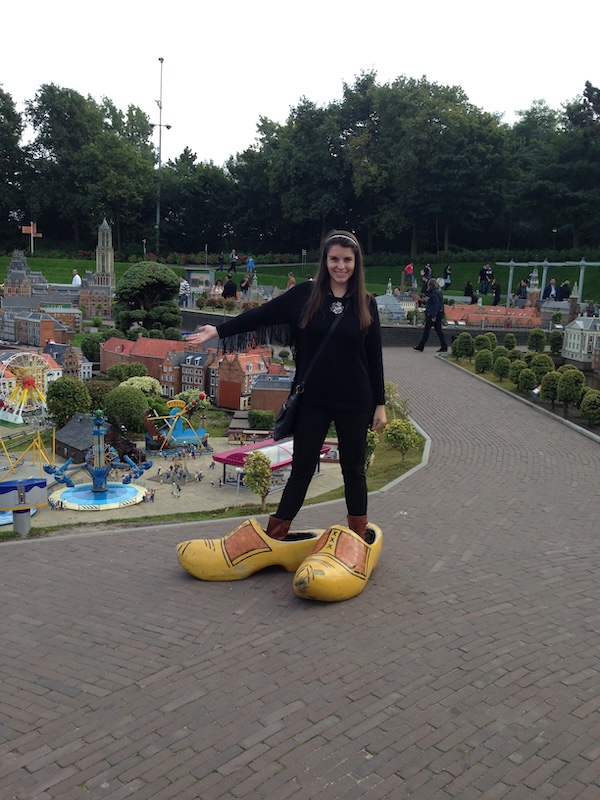
Having lived in the Netherlands since July 2013, I can tell you that there is a great deal to enjoy about the Netherlands. The summers can be amazing, getting around is relatively easy, there’s plenty to do outdoors, and once you’ve established yourself, you can build a very comfortable life here.
But there are things I wish someone had told me before I arrived. Firstly, the Netherlands is much more expensive than I realised, particularly if you’re moving here alone. Making Dutch friends isn’t always straightforward, the winters can feel terribly long, and Dutch directness takes some getting used to.
So, what’s living in the Netherlands really like? In my experience, the quality of life can be excellent, particularly if you enjoy an active lifestyle, appreciate independence and are prepared to adapt to a different culture. The biggest challenges are often housing costs (especially in major cities), building friendships, dealing with the winter months and understanding the many systems that come with living in a new country.
After more than 13 years here, I’ve come to appreciate a great deal about the Netherlands. But it certainly hasn’t all been easy.
My Experience of Moving to the Netherlands
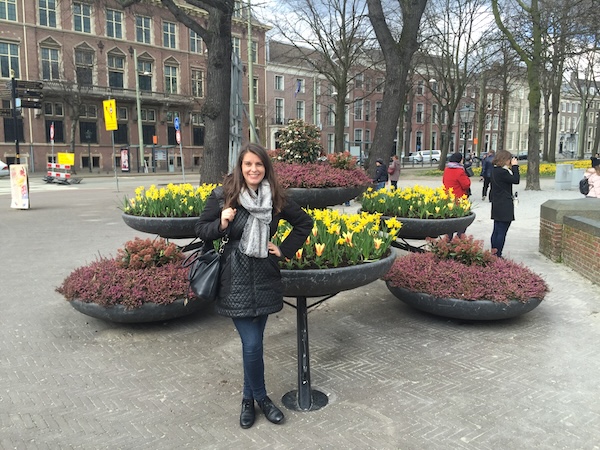
I moved to The Hague from Barcelona in the summer of 2013, having secured a job with a Dutch organisation while I was still living in Spain (I’m originally from Cape Town, South Africa).
I arrived on my own, in my twenties, excited about the opportunity and relieved to have found stable work after my previous employer had run into financial difficulties.
What I hadn’t properly prepared for was the cost of establishing myself. I received no proper relocation allowance, my rental deposit consumed money I didn’t really have, and the apartment I found cost half my net monthly salary. There were days when I lived on pasta, bread and water because I simply couldn’t afford much else.
I also remember feeling lonely. I’d left behind familiar places, friends and a life I’d enjoyed in Barcelona and Rome, cities where I had spent months on end. Suddenly, I was in a country where I had to learn how everything worked, from healthcare and banking to renting a home and understanding the most basic administrative procedures.
Fortunately, I met some lovely colleagues at work when I arrived here, and I’m still in touch with a few of them today. Those early friendships made an enormous difference.
Over the years, I’ve built my career, established my own business and created a life here. I’ve also learnt a great deal about Dutch people, their culture and the everyday realities of living in the Netherlands.
Here’s what I’ve learnt along the way.
1. The Netherlands Is Expensive, Especially If You’re Living Alone
Let’s start with money, because it’s one of the biggest things to consider before moving here.
If you’re relocating to the Netherlands on your own for work, I’d strongly recommend looking beyond the salary on your employment contract.
The cost of housing can take up a substantial part of your income, particularly in Amsterdam, Utrecht, The Hague and Rotterdam. Add health insurance, groceries, utilities, transport and other everyday expenses, and the amount left in your bank account may be considerably less than you expected.
According to Pararius’s Q3 2026 rental report, new tenants in the unregulated private rental sector paid an average of €1,914 per month. This isn’t the average rent for every type of accommodation in the Netherlands, but it gives you an idea of the costs you can face when looking for private rental housing.
Living alone means covering most of your household expenses yourself. There’s no one to split the rent, internet, energy bills or other fixed costs with, and that can make saving difficult, especially in your first few years.
When I first arrived, I struggled financially despite having a full-time job. Looking back, I should have negotiated a better salary and relocation package, but I was so relieved to have secured work that I didn’t push hard enough.
Does living in the Netherlands become more affordable over time?
In my experience, yes, although it certainly doesn’t happen automatically. As the years pass, you become more familiar with the Dutch tax system, learn which expenses you can reduce, understand how different services work and get better at managing your monthly budget.
Your income may increase as your career develops, and you may eventually find more affordable housing or become financially established enough to consider buying a home. That’s been part of my own experience, but it has taken time, careful decisions and plenty of learning along the way.
I’d also encourage newcomers to understand their payslips, tax obligations, pension contributions and any allowances they may qualify for. Dutch income tax involves different brackets, and some international employees may qualify for the expat tax scheme, commonly called the 30% ruling, subject to specific requirements. The more you understand how your money works here, the easier it becomes to plan.
My advice: If you’re moving for work, calculate your expected net salary, research the rental market and negotiate relocation support before signing your contract. Don’t arrive assuming your salary will be enough to cover everything comfortably from day one.
2. Summer in the Netherlands Is Wonderful
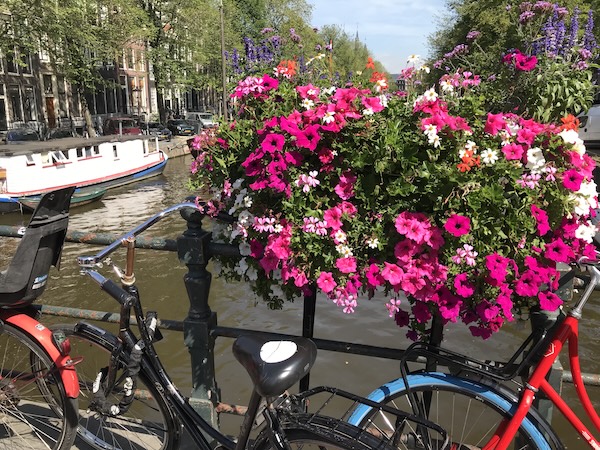
There’s something about the Netherlands in summer that I absolutely love. The days are long, people spend much more time outdoors, terraces fill up, and there’s always something happening somewhere. When the weather is good, it’s a wonderful place to live.
You can cycle through the countryside, spend an afternoon at the beach, visit parks and forests, enjoy outdoor festivals or simply sit outside at a café for a few hours.
And you don’t necessarily need to spend a fortune. Some of my favourite things about living here are relatively simple: being outside, going for a walk, cycling somewhere new or enjoying a warm evening when it’s still light long after dinner.
The Netherlands also has plenty of beautiful natural areas, from coastal dunes and beaches to woodlands, heathlands and national parks. You don’t have to travel particularly far to find somewhere worth exploring.
Of course, Dutch summers aren’t guaranteed to be sunny every day. You can still have rain, wind and unexpectedly cool weather, even in July or August. But when those beautiful days arrive, people really make the most of them. After a long winter, you begin to understand why.
My advice: Take advantage of the longer days and explore as much as you can. Join outdoor activities, spend time in nature and make the most of the good weather when it arrives. It’s also an excellent way to discover your surroundings and meet people.
3. Dutch Winters Can Be Cold, Dark and Rather Depressing
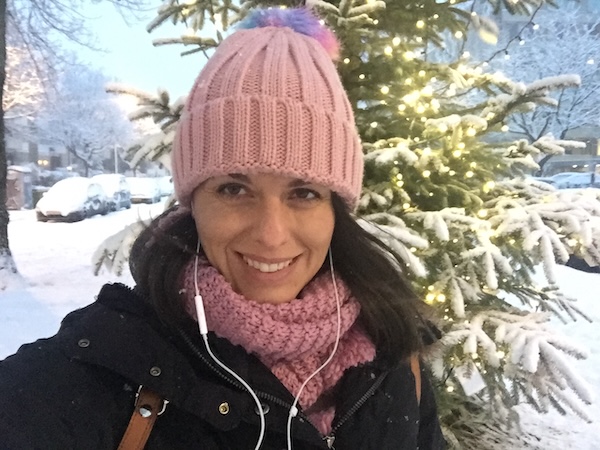
Now for the other side of the Dutch weather…If you’re moving from somewhere with plenty of sunshine, the winter months may be one of the biggest adjustments. It isn’t necessarily the extreme cold that’s difficult. It’s the combination of short days, grey skies, rain, wind and the feeling that you haven’t seen proper sunshine for what seems like weeks.
In December, it gets dark in the late afternoon. You may leave home for work when it’s dark and return when it’s dark again. Personally, I find this one of the more challenging aspects of living in the Netherlands. After more than 13 years, I still don’t particularly enjoy the long, grey winter months so I ensure I stick to my exercise routine like glue as it keeps me fit, healthy and happy!
How do you get through a Dutch winter?
One thing I’ve learnt is that you really need to be comfortable spending time indoors. If all your favourite activities depend on sunshine and warm weather, winter can feel very restrictive.
Board games, reading, cooking, meeting friends for dinner, going to the gym or taking up an indoor hobby can make an enormous difference.
But I also think it’s important not to retreat indoors completely. Use every reasonable opportunity to get outside, exercise and spend time in nature. A walk in the forest, a cycle on a clear day or even a short outing during your lunch break can help break up the darker months.
You’ll often hear the saying in the Netherlands: Er bestaat geen slecht weer, alleen slechte kleding — there’s no such thing as bad weather, only bad clothing. There’s certainly something to be said for that attitude. A good waterproof jacket, warm layers and sensible shoes will make it much easier to keep doing things outdoors, even when the weather isn’t particularly inviting.
My advice: Build a winter routine before the darker months arrive. Make plans with friends, keep exercising, invest in proper outdoor clothing and find a few indoor activities you genuinely enjoy. Don’t wait until spring to start enjoying life again.
4. The Dutch Are Friendly, but Making Friends Can Take Time
This is another part of expat life in the Netherlands that I think deserves more attention. In my experience, Dutch people are generally friendly, approachable and happy to have a conversation. You’ll often find people willing to help if you ask a question, and many speak excellent English. But being friendly and becoming close friends are two different things.
You can know someone for years, get along perfectly well and still never be invited to their home. That may sound strange if you’re from a culture where inviting people over for dinner or a spontaneous visit is fairly common. I’ve certainly experienced this over the years.
Many Dutch people already have established friendships from school, university or their local community. They may have busy family lives, regular social commitments and relatively fixed routines. That doesn’t mean they’re unfriendly or uninterested in meeting new people. It simply means that getting into someone’s existing social circle can take time.
And I’m not the only international who has experienced this. The InterNations Expat Insider 2026 survey found that only 29% of its Netherlands respondents were positive about how easy it was to make local friends, compared with 39% globally.
How can you make friends in the Netherlands?
I’d encourage you to be proactive rather than waiting for friendships to develop on their own. Join a sports club, take Dutch lessons, get involved in local activities, volunteer or find a group that meets regularly around something you’re interested in.
It may take time, but repeatedly seeing the same people gives relationships a better chance to develop. And don’t feel that you must only make Dutch friends. Other internationals can be a tremendous source of support because they understand what you’re going through.
Some of the people who made the biggest difference to my life when I first arrived were colleagues. I was fortunate to meet people who welcomed me, and those relationships helped me feel less alone. Nowadays, I have a number of international friends who have married Dutchies (like I have!) so they are in the same boat as me.
My advice: Don’t take it personally if friendships seem to develop slowly. Make the first move, invite people for coffee or dinner yourself, and try to build connections through shared interests rather than expecting everything to happen spontaneously.
5. Dutch Directness Isn’t for the Faint-Hearted
If you’re naturally sensitive or accustomed to a softer style of communication, living in the Netherlands may take some adjustment! That’s because the Dutch are well known for being direct. They tend to say what they think, ask straightforward questions and give opinions without necessarily wrapping everything in polite language. To a foreigner, this can sometimes come across as blunt, insensitive or downright rude. And sometimes, quite frankly, it is rude. Not every unpleasant comment should be excused as a cultural difference. But I’ve also learnt that Dutch directness often comes from a preference for clarity rather than an intention to offend.
In the workplace, for example, someone might tell you openly that they disagree with your idea or don’t think something will work. In some cultures, that message might be delivered much more diplomatically. Here, you’re more likely to hear it directly.
Learning to give as good as you get
Over the years, I’ve learnt to become much more direct myself. I used to spend a lot more time softening my opinions or trying to find the gentlest possible way of saying something. These days, I’m far more comfortable being straightforward, particularly when I disagree. And funny enough, being equally direct back often works like a charm! I’ve also discovered that people aren’t always quite so enthusiastic about blunt honesty when they’re on the receiving end. A little taste of your own medicine isn’t always easy to swallow.
That said, I’ve come to appreciate the efficiency of straightforward communication. When done respectfully, it avoids misunderstandings and saves a great deal of time. You don’t have to abandon your own personality or communication style to fit in, but it helps to understand that someone else’s idea of being honest may be different from yours.
My advice: Try not to interpret every direct comment as a personal attack. Ask questions if you’re unsure what someone means, be clear about your own expectations and don’t be afraid to speak up when something bothers you.
6. Working in the Netherlands — Understanding the Culture
One of the benefits of living in the Netherlands is the emphasis many workplaces place on balancing work and personal life. Of course, this varies considerably between employers and industries, but part-time work and flexible arrangements are relatively common.
According to Eurostat, the Netherlands had the shortest average actual working week in the EU in 2025, at 31.9 hours across full-time and part-time workers. That doesn’t mean everyone works a short week. Plenty of people work full-time, and demanding jobs certainly exist. But the broader culture around working hours and personal time is something many internationals appreciate.
Dutch employment contracts also include arrangements that newcomers should understand, particularly holiday allowance, pension contributions, annual leave and collective labour agreements, known as CAOs.
Most employees are entitled to a holiday allowance of at least 8% of their gross salary, although statutory exceptions and specific agreements can apply. It’s worth checking whether this amount is included in your quoted salary or paid separately.
Another thing I’ve noticed is that workplace hierarchies can feel relatively informal. People may be comfortable challenging ideas in meetings or addressing senior colleagues directly. That can be refreshing, but it may take some getting used to if you’ve worked in a more hierarchical environment.
My advice: Before accepting a job, understand the complete employment package, not just the salary. Ask about working hours, pension contributions, holiday allowance, flexibility and the organisation’s expectations around communication.
7. Getting Around Is One of the Best Things About Dutch Life
One of the things I really appreciate about the Netherlands is how easy it can be to get around without relying on a car. Cycling is part of everyday life here. People cycle to work, school, the supermarket, appointments and just about everywhere else. According to the Dutch government, approximately 27% of journeys in the Netherlands are made by bicycle. There are extensive cycling routes, and in many towns and cities, cycling is often the most practical way to travel short distances.
Public transport is another advantage. Trains connect the major cities, and buses, trams and metros provide additional options depending on where you live. That doesn’t mean public transport is cheap or that everything always runs smoothly. Delays happen, and commuting costs can become significant, particularly if you’re travelling by train regularly. But the ability to live comfortably without owning a car is something I value (especially when you arrive here and may not be able to afford a car, or it may simply be unnecessary in a big city!).
If you’re new to Dutch cycling, I’d recommend familiarising yourself with the rules before heading into busy traffic. Dedicated cycle paths are wonderful, but they can be intimidating when you’re not used to sharing them with experienced cyclists, e-bikes and other road users.
8. Living in the Netherlands Means Learning How Dutch Systems Work
This is something people often underestimate before moving abroad. Even if you speak English and have a job waiting for you, there are numerous administrative systems you’ll need to understand.
You’ll probably come across terms such as BSN, DigiD, eigen risico, toeslagen and gemeente fairly quickly. You’ll need to understand how healthcare works, what insurance you’re required to have, how Dutch taxes are organised and which services you need to arrange yourself. For example, most people who come to live or work in the Netherlands and fall under the Dutch health insurance requirement must arrange basic health insurance.
Your general practitioner, known as a huisarts, is usually your first point of contact for non-emergency medical care. The Dutch healthcare system can be quite different from what you’re used to, particularly when it comes to referrals, insurance coverage and how appointments are arranged.
These systems aren’t necessarily more complicated than those in other countries. They’re simply unfamiliar, and learning how they work takes time.
When I arrived in 2013, I remember spending hours trying to find reliable answers online. There was plenty of information available, but it was scattered across different websites, and I didn’t always know which source to trust. That’s one of the reasons I eventually created SecondSoil.
My advice: Familiarise yourself with the most important Dutch systems before you arrive. You don’t need to understand everything immediately, but knowing where to find reliable information will save you a lot of unnecessary frustration.
9. You Can Get By with English, but Learning Dutch Makes a Difference
One of the advantages of moving to the Netherlands is that English is widely spoken. In international workplaces, universities and larger cities, you can often manage much of your daily life without speaking Dutch. But there’s a difference between getting by and feeling at home.
If you’re planning to stay in the Netherlands long term, I’d strongly encourage you to learn the language. Even a basic understanding of Dutch can make everyday interactions easier. It helps when you’re speaking to neighbours, dealing with local services, reading official letters or simply understanding what’s happening around you.
It can also make a difference socially. Although many Dutch people will happily switch to English, participating in conversations becomes much easier when you can follow what’s being said in Dutch.
There are different ways to learn, from formal lessons and language schools to conversation groups, online courses and practising with colleagues. Some newcomers are also required to complete civic integration, known as inburgering, depending on their nationality and personal circumstances.
My advice: Don’t wait until you’ve been here for years before taking Dutch seriously. You don’t need to become fluent immediately, but even small, consistent efforts can help you feel more connected to everyday life.
10. The Quality of Life in the Netherlands Can Be Excellent, but It Takes Time to Settle
When I think about the benefits of living in the Netherlands, I think about the freedom to cycle almost everywhere, the ease of travelling around the country, the beautiful summer evenings, access to nature and the sense of independence I’ve developed here. I also appreciate the opportunities I’ve had to build my career and eventually establish my own business.
But it would be misleading to suggest that everyone who moves here automatically enjoys an excellent quality of life. Your experience will depend on your income, housing situation, job, personal circumstances and how comfortable you feel with the culture.
If you’re struggling financially, feeling lonely or finding the winter difficult, living in a country with a good reputation for quality of life won’t necessarily make those challenges disappear. And if you move here expecting everything to be easy because so many people speak English, you may be disappointed.
For me, the Netherlands became a much better place to live once I had more financial stability, a stronger social network and a better understanding of how everything worked. That took several years…
What I Wish I’d Known Before Moving to the Netherlands
Looking back, there are several things I’d have done differently. I’d have researched my salary and living expenses far more carefully. I would have negotiated relocation support, looked more closely at the rental market and made sure I had enough savings to cover those first few months.
I’d also have prepared myself better for the social side of relocating. Moving to another country on your own can be lonely, even when you’re excited about the opportunity. And I probably would have invested in better waterproof clothing much sooner!
But I really don’t regret making the move. I’ve spent more than 13 years building my life here. I’ve developed professionally, started my own business, made lasting friendships and learnt to adapt to a culture that initially felt quite unfamiliar.
I’ve also become far more independent, confident and resilient. Living abroad changes you. Sometimes that’s wonderful, and sometimes the lessons aren’t particularly enjoyable while you’re going through them.
But if you’re considering moving to the Netherlands in 2027, I’d encourage you to approach it with an open mind and realistic expectations. Do your research, understand what you can afford, find ways to connect with people and be prepared for life to feel unfamiliar for a while. And give yourself time. You don’t have to feel completely settled after three months, six months or even a year.
Make Living in the Netherlands Easier with SecondSoil
When I first moved to the Netherlands, one of my biggest frustrations was trying to find reliable, practical information. I didn’t necessarily need another lengthy website explaining everything about Dutch life. I needed straightforward answers to the questions I was dealing with at that particular moment.
After more than 13 years of living here, that’s exactly what I’ve tried to create with SecondSoil – an app for living in the Netherlands. SecondSoil is an English-language, audio-led app designed for internationals who are moving to or already living in the Netherlands.
It brings together short, human-recorded audio guides, bite-sized articles and carefully selected links on topics such as housing, money, healthcare, transport, working life, Dutch language and integration, and other practical aspects of everyday life.
You can listen to the guides while commuting, walking, travelling or going about your day, and return to the accompanying articles and links whenever you need more information.
The app includes free content, with additional guidance available through premium access.
Whether you’re preparing for your move or have already been living here for a while, the aim is to make Dutch life easier to understand, one practical topic at a time.
Explore SecondSoil – your audio guide to life in the Netherlands and explore tips and tricks to help you make the most of living here.
Frequently Asked Questions About Living in the Netherlands
Is the Netherlands a good place to live for expats?
The Netherlands can offer an excellent quality of life, particularly for people who enjoy cycling, outdoor activities, good transport connections and an international working environment. However, housing costs, the weather, cultural differences and difficulties making friends can be challenging, especially during the first few years.
Is living in the Netherlands expensive?
Yes, particularly if you’re renting privately in a major city and living alone. Housing is often the biggest monthly expense, followed by costs such as health insurance, groceries, utilities and transport. It’s important to calculate your expected net salary and realistic living expenses before moving.
Is it difficult to make Dutch friends?
It can take time. Many Dutch people already have established social networks, and friendships may develop more slowly than newcomers expect. Joining clubs, taking language classes, participating in local activities and making the effort to organise social plans can help.
What are Dutch winters like?
Winters in the Netherlands are generally cool to cold, often windy and frequently grey or rainy. The short daylight hours can be difficult for people accustomed to sunnier climates. Regular exercise, spending time outdoors when possible and having enjoyable indoor activities can make the winter months easier.
Can you live in the Netherlands without speaking Dutch?
Many internationals manage everyday life in English, especially in larger cities and international workplaces. However, learning Dutch makes it easier to connect with people, understand local systems and feel part of Dutch society. Some newcomers are also legally required to complete civic integration.
Does living in the Netherlands get easier over time?
For many internationals, it does. As you become familiar with the language, culture, financial systems and everyday routines, things often begin to feel less complicated. Building friendships and becoming financially established can also make a substantial difference, although everyone’s circumstances are different.
Sources and Further Reading
This article combines the author’s personal experiences of living in the Netherlands since 2013 with publicly available research and official information.
- Statistics Netherlands (CBS) – Housing Costs and First-Time Renters, June 2026
- Pararius – Rental Market Report, Q3 2026
- InterNations – Expat Insider Netherlands, 2026
- KNMI – Sunshine and Dutch Weather
- Eurostat – Average Working Hours in the EU, May 2026
- Dutch Government – Bicycle Policy
- Dutch Government – Moving to the Netherlands
- Dutch Government – Health Insurance
- Dutch Tax Administration – Expat Scheme
- WorkinNL – Learning Dutch
Last updated: 29 October 2026.
Editorial note: The article reflects the author’s personal experiences and observations. Individual experiences of Dutch culture, social life, finances and integration will vary. Market figures are dated and should be checked against updated information when planning a move in 2027.