Thinking about moving to the Netherlands in 2027? Before you start packing, there’s something you really need to work out properly (trust me, I moved here back in 2013 and have been here since): how much is the move actually going to cost you?
It’s easy enough to calculate your flights and first month’s rent. What tends to catch people out is everything that needs to be paid before they’ve even received their first salary. Rental deposits, temporary accommodation, furniture, insurance, and the dozens of smaller expenses involved in setting up a new home can quickly eat through your savings (exactly what happened to me…).
So, how much money do you actually need to move to the Netherlands? Based on our example budgets, a single person renting a room in shared accommodation might need around €4,200 upfront, while someone renting their own apartment could need approximately €9,400. For a couple renting a larger apartment, that amount could rise to €12,900.
These estimates cover the first month’s rent, a refundable rental deposit, temporary accommodation, travel, basic furniture, and household essentials, and initial living expenses. They’re intended to give you an idea of how much money you should have available when you arrive, rather than what the move will cost everyone. Major international shipping expenses, residence permit fees, and emergency savings aren’t included. And note — these are mere estimates, you’d need to do an actual calculation for yourself, based on your own situation.
What I Wish I’d Known Before Moving to the Netherlands
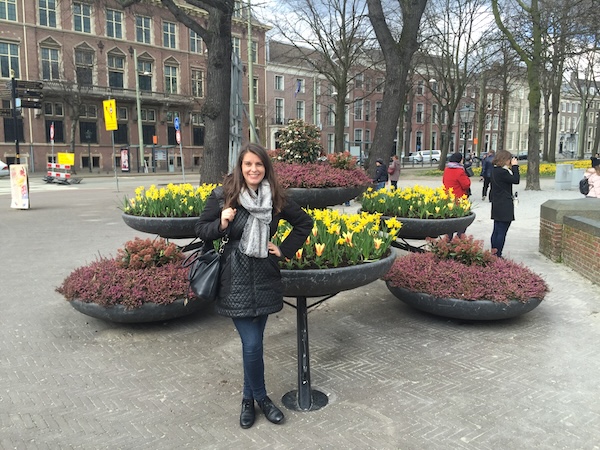
In July 2013, I moved to The Hague from Barcelona, where I’d been living and working. The company I worked for had run into financial difficulties, and I urgently needed to find something more stable. Fortunately, I managed to secure a job in the Netherlands while I was still in Spain.
I was relieved to have found work, and I was excited about moving somewhere new. What I hadn’t properly considered was how much money I’d need before my first salary arrived.
I received no relocation allowance, and the costs hit me like a ton of bricks. I didn’t have nearly enough savings to cover two months’ rental deposit, never mind the expenses that followed. I was in my twenties, enjoying my freedom and travelling around Europe (saving was the last thing on my mind!).
The apartment I eventually found cost half my net monthly salary which was roughly 3000 euros at the time! After paying rent and covering the essentials, there was very little left. I remember living on pasta, bread, and water for days at a time because I simply couldn’t afford much else.
Six months into my new life, I was starting to wonder whether I’d made a terrible mistake. I couldn’t see how I’d ever afford to travel again, let alone visit my family back home in South Africa. I had a job and a place to live, but financially, I was struggling.
Looking back, I wish I’d negotiated much harder before accepting the position. I was desperate for stable employment, naïve, and I felt that the organisation I joined knew it had the upper hand. I didn’t push for a relocation allowance or properly challenge whether the salary would be enough for the life I was about to start. Would I do things differently now? Most definitely.
That said, I’ve been in the Netherlands for more than 13 years. I’ve built a life and career here, established my own business and learnt an huge amount along the way. Those early years taught me to be resourceful, persistent, and much more careful with money.
If there’s one thing I’d tell anyone planning an international move, it’s this: don’t assume that because your new salary looks good on paper, you’ll have enough money to get yourself established. Find out what things actually cost, negotiate the best possible employment package and make sure you have enough savings to get through the first few months.
Here’s what I would budget for if I were moving to the Netherlands today.
How Much Money Do You Need to Move to the Netherlands?
Your moving costs will depend on where you’re coming from, which Dutch city you’re moving to and whether you’re relocating alone, with a partner or as a family. The type of accommodation you choose will probably have the biggest impact on how much money you need upfront.
To give you an idea, I’ve put together three example budgets for someone moving to the Netherlands in 2027.
Example Moving Budgets for the Netherlands in 2027
|
Expense |
Single person, shared room |
Single person, apartment |
Couple, larger apartment |
|
First month’s rent |
€ 800 |
€ 1,900 |
€ 2,300 |
|
Rental deposit (2 months) |
€ 1,600 |
€ 3,800 |
€ 4,600 |
|
Temporary accommodation |
€ 450 |
€ 800 |
€ 1,100 |
|
Travel and luggage |
€ 300 |
€ 550 |
€ 900 |
|
Furniture and household essentials |
€ 300 |
€ 1,200 |
€ 2,200 |
|
First-month groceries and transport |
€ 400 |
€ 550 |
€ 900 |
|
Utilities and internet |
€ 100 |
€ 240 |
€ 300 |
|
First-month health insurance |
€ 169 |
€ 169 |
€ 338 |
|
Documents and miscellaneous expenses |
€ 100 |
€ 150 |
€ 250 |
|
Estimated upfront budget |
€ 4,219 |
€ 9,359 |
€ 12,888 |
These are illustrative budgets created by SecondSoil using October 2026 information, rather than published average relocation costs. The health insurance amounts are based on the government’s projected 2027 premium of €169 per adult per month. The examples assume a two-month rental deposit, modest travel arrangements and no employer relocation contribution.
The figures don’t include major international shipping, expensive intercontinental flights, residence permit fees where applicable, childcare, or several months of emergency savings. Depending on your circumstances, you may need considerably more.
Also remember that while your rental deposit is generally refundable, you’ll still need that money in your account when you move.
1. Housing and Rental Deposits: Where Most of Your Money Will Go
Finding somewhere to live is likely to be one of the biggest challenges of your move, particularly if you’re looking in Amsterdam, Utrecht, Rotterdam or The Hague.
According to Pararius’s Q3 2026 rental report, the average monthly rent for new tenancies in the unregulated private rental sector reached €1,914. That’s an average for this particular part of the rental market, rather than all rental accommodation in the Netherlands.
If you’re happy to share accommodation, a room may be more affordable. Kamernet’s second-quarter 2026 figures showed an average advertised room rent of €643 per month across 17 Dutch cities. There were substantial differences between locations, however, with median monthly room rents of €950 in Amsterdam and €745 in The Hague.
For people moving here alone, sharing a property can be a sensible starting point. You’ll have fewer household expenses, and it may give you time to get to know different neighbourhoods before committing to a more expensive rental.
How much is the rental deposit in the Netherlands?
For rental agreements signed from 1 July 2023, Dutch landlords can charge a security deposit of up to two months’ basic rent.
That means if you find an apartment costing €1,800 per month, you could need €5,400 upfront: €1,800 for your first month’s rent and another €3,600 for the deposit.
And this is before you’ve paid for your move, bought groceries, or arranged your household essentials.
There is another detail worth knowing. Landlords often have income requirements. Pararius reported that landlords in the unregulated private rental market commonly expect tenants to earn at least three times the monthly rent in gross income. Based on the Q3 2026 average rent of €1,914, that would mean earning approximately €5,742 gross per month.
Not every landlord uses exactly the same criteria, but it’s worth checking before you apply. Even if you’ve saved enough for the deposit, your income may not meet the landlord’s requirements.
My advice: Don’t choose a property based only on what you think you can afford every month. Check the upfront payments, any service charges, whether utilities are included and whether you meet the income requirements. And make sure you can register at the address.
You can find more information about deposits and your rights as a tenant on the Dutch government’s website.
2. Flights, Shipping, and Temporary Accommodation
The cost of physically getting yourself and your belongings to the Netherlands will depend on where you’re moving from.
If you’re relocating from another European country, you might be able to drive, hire a van or bring your belongings on a relatively short flight. Moving from South Africa, the United States or somewhere further away is a different matter, particularly if you’re transporting furniture and other household possessions.
Before you make any decisions, get quotes from moving companies and compare the costs of shipping your belongings with buying what you need after arrival. Transporting large pieces of furniture internationally isn’t always worth the expense.
You’ll also need to think about where you’re going to stay when you first arrive. I spent my first week in a hotel in The Hague before moving into more permanent accommodation. Fortunately, it was only a week, but I remember how quickly the expenses accumulated. If your rental doesn’t become available immediately, a short stay in a hotel or serviced apartment could easily turn into several weeks.
If you’re moving for work, this is one of the first things I’d discuss with your new employer. Some companies offer temporary accommodation, help with finding housing or contribute towards moving expenses. Others don’t offer anything unless you negotiate it.
Even a few weeks of accommodation covered by your employer could make a substantial difference to your moving budget.
3. Furniture and Household Essentials: Understand What You’re Renting
Dutch rental properties aren’t always offered in the condition newcomers expect. You’ll often see the terms gemeubileerd, gestoffeerd and kaal in rental advertisements. The first generally means furnished, while gestoffeerd usually means the property has flooring and some basic fittings but not furniture. A kaal property can be much more basic, sometimes without flooring, curtains or light fittings. The exact contents vary, so it’s important to ask what will actually be there when you move in.
An apartment that seems reasonably priced can become expensive once you start buying flooring, curtains, furniture, kitchen equipment and everything else needed to make it liveable.
If you’re relocating with only a suitcase or two, a furnished property may be worth considering, at least initially. It might cost more in monthly rent, but you won’t necessarily need to spend thousands of euros setting up your home.
The Netherlands also has an excellent second-hand market. Websites such as Marktplaats and local kringloopwinkels (charity shops) are useful places to find furniture and household items at lower prices. I’d suggest buying the essentials first and gradually adding the rest. You probably won’t need every cupboard, appliance or decorative item in your first week.
4. Utilities, Internet, and Other Household Bills
Rent is only one part of your monthly housing costs. Depending on your contract, you may also need to pay separately for electricity, gas, water, internet and municipal charges.
According to Statistics Netherlands (CBS), the estimated average annual household energy bill was €1,993, calculated using January 2026 prices and expected annual consumption. That works out to approximately €166 per month, although your actual bill will depend on the property, household size and energy use. Note: This is a January 2026 benchmark, not a confirmed 2027 rate.
Internet, water and local taxes may be additional expenses. Some apartment buildings also have shared service charges, so read the rental agreement carefully before deciding what you can afford. You may need to arrange your own energy and internet contracts when you move in. Compare providers beforehand, and check whether there are installation costs or minimum contract periods.
One of the advantages of moving into shared or fully furnished accommodation is that some of these expenses may already be included in the rent. Just make sure you understand exactly what’s covered.
5. Registration, Documents and Residence Permits
Moving to the Netherlands also means dealing with administrative requirements, some of which you can prepare for before leaving your home country.
If you intend to stay in the Netherlands for more than four months, you’ll generally need to register with your municipality within five days of arrival. This gives you a citizen service number, or BSN, which you’ll need for various official matters.
Municipal registration itself is generally free, but that doesn’t necessarily mean preparing for it will cost nothing. Depending on your circumstances, you may need original birth or marriage certificates, official translations, apostilles or other legalised documents.
If you’re moving from outside the EU, EEA or Switzerland, you may also need a residence permit. The rules and costs depend on your nationality and the purpose of your stay.
For reference, the Dutch Immigration and Naturalisation Service (IND) listed a 2026 application fee of €423 for a highly skilled migrant permit, while certain study and family permit applications cost €254. These are 2026 amounts and should be checked again for 2027. Your employer or educational institution may handle some of the paperwork, but don’t assume they’ll cover the fees. You can check the current requirements and application costs on the IND website.
My suggestion would be to start gathering your documents well before your move. Some certificates take weeks to obtain, especially when they need to be requested from another country, and last-minute arrangements can be both stressful and expensive.
6. Health Insurance: What to Expect in 2027
Dutch health insurance is another expense you’ll need to include in your monthly budget. Most people who come to live or work in the Netherlands and fall under the Dutch health insurance requirement need to arrange basic health insurance. You generally have up to four months to take out the policy, but cover must normally apply from the date your insurance obligation started. There are exceptions, including for certain international students, so check the rules that apply to you.
For 2026, the Dutch government reported an average basic health insurance premium of €157 per adult per month. In its September 2026 budget outlook, the government projected that this could rise to approximately €169 per month in 2027. At the time of writing, individual insurers had not yet announced their final 2027 premiums.
The government’s plans also provided for the standard annual deductible, known as eigen risico, to rise from €385 in 2026 to €400 in 2027, subject to the final applicable rules. This deductible is not an amount you automatically pay upfront; it applies when you receive healthcare that falls under the deductible. If you’re moving with a partner, remember to budget for both adults’ insurance premiums.
Depending on your income and circumstances, you may qualify for zorgtoeslag, a government healthcare allowance that can help towards the cost of your premium.
Before choosing a policy, compare more than the monthly price. Check which healthcare providers are covered and whether you need additional insurance for services such as dental care.
You can read more about the government’s healthcare plans for 2027.
7. Groceries, Transport and All the Smaller Expenses
It’s quite easy to focus on rent and moving costs while overlooking everything you’ll need during your first few weeks. You’ll have to buy food, get around, possibly arrange a mobile phone plan and pick up household essentials. You might need bedding, kitchen utensils, cleaning products or a bicycle. None of these purchases necessarily seems particularly expensive on its own, but collectively they can make a noticeable dent in your budget.
I’d recommend keeping a separate amount aside for these everyday expenses rather than assuming you’ll be able to cover them from whatever is left after paying rent.
Your spending will depend on your household size and lifestyle. Someone cycling to work and cooking at home will have different expenses from someone travelling by train every day or regularly eating out.
If you’re moving from another country, try not to base your budget entirely on what you currently spend. Prices, household arrangements and habits can be quite different in the Netherlands, and it may take a few months to understand your normal monthly costs.
8. The Moving Costs People Often Forget
Even with a detailed moving budget, there are expenses you may only learn about once you’re actually here.
Perhaps your temporary accommodation costs more than expected, or you have to pay rent in two countries for a month. You might need to store belongings while waiting for your apartment, pay additional baggage charges or replace things that weren’t worth shipping.
Depending on your circumstances, there could also be costs associated with bringing pets, importing a car, arranging childcare, buying insurance or paying local municipal taxes.
Students applying for a Dutch residence permit may need to demonstrate that they have sufficient financial resources. For example, the IND’s 2026 living-cost requirement for higher education students was €1,130.77 per month, excluding tuition fees. This was a financial means requirement rather than a separate monthly government fee. The amount may change in 2027.
The point isn’t that every newcomer will face all these expenses. It’s that your budget should leave some room for costs you haven’t anticipated. That becomes particularly important if you’re moving without a confirmed job or don’t know exactly when you’ll receive your first salary.
9. Negotiate Your Relocation Package Before Accepting a Job
If you’ve been offered a job in the Netherlands, don’t look only at the gross salary and assume everything will work out. Find out what your take-home pay will be, research the housing market and calculate how much money you’ll need before your first payday.
It’s also worth discussing relocation assistance with your prospective employer. Depending on the organisation and your position, there may be room to negotiate help with flights, temporary accommodation, shipping, residence permit costs or finding a rental property.
You could also ask about a salary advance if you know you’ll be facing substantial upfront expenses. Not every company offers these benefits, of course, but you won’t know what’s possible unless you ask. And it’s generally better to have that conversation before signing the employment contract.
When I moved from Barcelona, I was so focused on securing a stable job that I didn’t really consider what I should be negotiating. I was relieved to have an offer and didn’t want to risk losing it. In hindsight, I should have been far more careful.
A good salary and a financially manageable relocation are two very different things. You need to consider both before deciding whether an offer is right for you.
How Can You Reduce the Cost of Moving to the Netherlands?
There are a few practical ways to keep your relocation expenses under control, although some will depend on how flexible you can be about where you live and what type of accommodation you choose.
I’d start with housing. Renting outside the most expensive city centres can save money, particularly if you find somewhere with good public transport connections. Just remember to include commuting costs when comparing properties.
It’s also worth considering furnished accommodation for your first few months, especially if you’re moving alone. You’ll have fewer things to buy immediately and can take your time deciding where you want to live longer term.
For furniture and household goods, buy second-hand where possible (people sell or even give away practically brand new items every day on Marktplaats). You don’t need to furnish an entire home in one weekend, and there are plenty of ways to keep those costs down.
If you’re relocating for work, negotiate your employment package. If that’s not possible, ask your employer whether they can recommend accommodation providers, moving services or other practical resources.
Finally, check your rights before paying rental-related fees. For example, an agency working on behalf of a landlord generally cannot also charge the tenant mediation fees.
None of these things will eliminate the cost of relocating, but taken together, they can make a difference.
How Much Should You Save Before Moving to the Netherlands?
There isn’t a single amount that will suit everyone, and I wouldn’t recommend treating the example budgets in this article as a target you absolutely have to reach. Instead, work out your own costs based on your circumstances.
Start with the money you’ll need to get to the Netherlands and move into accommodation. Then calculate your expected monthly expenses, including rent, utilities, groceries, transport and insurance.
After that, consider how long you’ll need to support yourself before receiving a regular income. If you’re arriving without a job, or if your first salary won’t arrive immediately, you’ll need a larger buffer.
I’d also recommend keeping emergency savings separate from your moving budget. Ideally, you should have enough set aside to manage several months of essential expenses if something unexpected happens, although the amount you need will depend on your situation.
And remember that while a rental deposit is generally refundable, you won’t have access to that money while you’re renting the property.
If I could go back to 2013, I’d have researched the rental market more thoroughly, calculated my actual take-home pay and negotiated a better package before moving. It would have saved me a great deal of financial pressure during those first few months.
Need More Help Managing Your Money in the Netherlands?
Relocating is expensive, and understanding how Dutch financial systems work can take time. From opening a bank account and arranging payments to managing household expenses and finding ways to save, there are plenty of things to figure out once you’re here. That’s one of the reasons I created SecondSoil – your audio guide to life in the Netherlands.
Based on my own experience of moving here in 2013 and building a life over the past 13 years, SecondSoil brings together practical information for internationals who are preparing to move or have already settled in the country.
The app includes short, human-recorded audio guides, bite-sized articles and carefully selected links covering topics such as money, housing, healthcare, transport and everyday Dutch life.
In the Money & Budgeting section, you’ll find guidance on opening a Dutch bank account, understanding everyday payments, managing your living costs and making more informed financial decisions.
You can also explore the Moving & Relocation and Housing & Utilities sections if you’re still preparing for your move.
Explore the SecondSoil app for moving to the Netherlands and find practical information to help you prepare financially for life here.
Sources and Pricing Notes
The rental figures in this article are based on the Pararius Q3 2026 Rental Market Report and Kamernet Q2 2026 Room Rental Report. Rental deposit rules are based on guidance from the Dutch government.
Energy costs are drawn from Statistics Netherlands. Health insurance figures reflect the Dutch government’s September 2026 healthcare budget outlook.
Information about residence permits, application fees and study-related financial requirements is available from the Immigration and Naturalisation Service (IND).
Last updated: 28 October 2026.
Important: The example relocation budgets are illustrative figures prepared by SecondSoil, not published market averages or quotations. Actual expenses will depend on individual circumstances, location, household size and the services required. Prices and rules may change, so check current information before making financial commitments.
Frequently Asked Questions About Moving Costs in the Netherlands
How much does it cost to move to the Netherlands in 2027?
It depends on your housing arrangements, household size and moving expenses. Our illustrative budgets suggest around €4,200 for a single person renting a room, €9,400 for someone renting a private apartment and €12,900 for a couple renting a larger home. These figures are based on information available in October 2026 and exclude major shipping costs and emergency savings.
What is the biggest expense when moving to the Netherlands?
Housing is often the most significant upfront expense. You may need to pay the first month’s rent and a deposit of up to two months’ basic rent before you move in. Temporary accommodation can also become expensive if finding a permanent property takes longer than expected.
How much is a rental deposit in the Netherlands?
For rental agreements signed from 1 July 2023, the maximum security deposit is two months’ basic rent. If your apartment costs €1,500 per month in basic rent, the maximum deposit would be €3,000.
How much do you need to earn to rent an apartment in the Netherlands?
Some landlords require gross monthly income of at least three times the rent. For an apartment costing €1,900 per month, that would mean a gross monthly income of approximately €5,700. Requirements vary between landlords and properties.
How much will health insurance cost in the Netherlands in 2027?
The Dutch government projected an average basic health insurance premium of approximately €169 per adult per month for 2027 in its September 2026 outlook. Individual insurers had not yet announced their final premiums as of 28 October 2026.
Should I negotiate a relocation allowance when moving to the Netherlands?
If you’re moving for work, it’s certainly worth discussing. Some employers may help with travel, temporary accommodation, shipping or other relocation expenses. Try to establish what support is available before signing your employment contract.
How much money should I have saved before relocating?
Ideally, you’ll have enough to cover your moving expenses, rental deposit, first month’s rent, basic living costs and a separate emergency fund. If you’re moving without a job or confirmed income, you should plan for a longer period of living on your savings.